Aluminum Foundry: Reducing Maintenance Costs
A Take a look at the Future: Patterns Shaping the Next Generation of Light Weight Aluminum Foundries
The aluminum foundry market depends on the edge of significant modification. Automation and progressed innovation assurance to reshape production processes. Sustainability methods are coming to be important to satisfy ecological criteria. As modification needs rise, the need for adaptability in manufacturing expands. Collective efforts with tech partners may drive development. These arising fads recommend a crucial shift awaits. What opportunities and obstacles exist ahead for aluminum foundries in this evolving landscape?
The Increase of Automation in Aluminum Foundries
The integration of automation in light weight aluminum shops is reshaping the sector landscape. As producers embrace innovative modern technologies, processes generally reliant on manual work are ending up being progressively automated. This shift not just improves production efficiency but additionally decreases human mistake, causing a much more regular product top quality. Robotics and man-made intelligence systems are being used for tasks such as mold preparation, pouring, and ending up, enhancing procedures and decreasing preparations.
Furthermore, automation promotes the collection and evaluation of information, enabling shops to optimize their processes continually. Predictive upkeep powered by sensors aids in expecting equipment failings, resulting in minimized downtime. The labor force is also advancing, as employees are adjusting into duties that require oversight of automated systems, concentrating on higher-level problem-solving and advancement. In general, the increase of automation in light weight aluminum foundries represents a considerable development, placing the sector for enhanced performance and competitiveness in a swiftly changing market.
Accepting Sustainability Practices
Light weight aluminum foundries are progressively adopting sustainability practices to deal with ecological issues. Secret campaigns concentrate on recycling and reuse of materials, along with developments targeted at boosting power efficiency. Aluminum Foundry. These efforts not only reduce waste yet likewise add to an extra lasting manufacturing process
Reusing and Reuse Initiatives
A considerable shift in the direction of sustainability is improving the landscape of light weight aluminum factories, with lots of adopting ingenious recycling and reuse efforts. This movement stresses the value of minimizing waste and making best use of source performance. Factories are significantly applying closed-loop systems, permitting scrap light weight aluminum created throughout manufacturing to be recycled and rehabilitated right into the manufacturing cycle. In addition, collaborations with local recycling facilities assist in the collection of post-consumer light weight aluminum, even more supporting sustainable practices. By making use of sophisticated sorting innovations and recycling approaches, these factories enhance the top quality of recycled materials, ensuring they fulfill market requirements. In general, these efforts not just reduce ecological influence however also contribute to set you back savings, placing light weight aluminum shops as leaders in sustainable production within the steel industry.
Power Performance Innovations
Various aluminum foundries are welcoming power efficiency innovations as component of their sustainability methods. These innovations include the assimilation of sophisticated technologies such as automation, expert system, and power administration systems. By enhancing manufacturing processes, foundries can markedly decrease power consumption while maintaining result high quality. In addition, many are buying renewable resource resources, such as solar and wind, to power their operations, better reducing their carbon footprint. Using energy-efficient furnaces and reusing heat generated during production is also ending up being commonplace. These methods not just add to environmental sustainability yet likewise cause set you back financial savings for factories. As the sector advances, the commitment to energy efficiency will likely play a necessary duty in shaping the future of aluminum production.
The Influence of Expert System
As the light weight aluminum foundry market evolves, the combination of artificial knowledge (AI) is coming to be increasingly significant. AI innovations are changing manufacturing procedures by enhancing functional effectiveness and lowering waste. Predictive analytics, powered by AI, enables foundries to anticipate possible equipment failures, making it possible for aggressive upkeep and decreasing downtime. In addition, AI-driven algorithms improve casting designs, leading to enhanced material utilization and enhanced product quality.
AI assists in real-time surveillance of manufacturing specifications, allowing instant changes to preserve optimal problems. This versatility not only improves product uniformity but likewise sustains energy-efficient practices. By analyzing substantial amounts of information, AI can identify patterns and insights that human drivers may forget, driving continual improvement. As these modern technologies end up being much more available, the aluminum foundry sector is poised to utilize AI to achieve higher accuracy and advancement, ultimately forming an extra competitive and sustainable future in manufacturing.
Additive Production Innovations
Additive manufacturing is quickly changing aluminum foundries by boosting style capabilities and enabling extra complex geometries. This innovation not just enables better creativity in product development yet additionally helps with affordable production approaches. As these technologies advance, they assure to redefine typical production processes in the industry.
Boosted Style Capabilities
Innovation in style capabilities has changed the landscape of aluminum foundries, particularly via the integration of additive manufacturing modern technologies. This advancement enables for greater versatility in designing complex geometries that were formerly unattainable with conventional methods. Shops can currently develop light-weight frameworks maximized for performance and performance, minimizing product waste and improving energy performance. In addition, the quick prototyping abilities of additive manufacturing make it possible for quicker models and improvements, promoting technology in item growth. Collaboration in between style engineers and factory technicians has likewise been enhanced, leading to much more efficient communication and enhanced end products. As these technologies continue to advance, the capacity for personalized solutions tailored to specific applications will certainly even more redefine the future of aluminum shops.
Cost-efficient Manufacturing Methods
Arising trends in cost-effective manufacturing methods have actually reinvented the aluminum factory sector, particularly via developments in additive production. This modern technology allows the rapid production of complex geometries with decreased product waste, considerably reducing prices. By utilizing 3D printing methods, factories can create intricate elements that standard methods struggle to achieve, enhancing layout flexibility. Furthermore, additive manufacturing streamlines prototyping procedures, enabling for quicker versions and faster time-to-market. These advancements not only optimize manufacturing performance however additionally contribute to sustainability efforts by decreasing scrap. As light weight aluminum shops progressively take on why not try this out these approaches, they position themselves to satisfy expanding need while maintaining competitive rates, eventually changing the landscape of aluminum manufacturing.
Enhancing High Quality Control Measures

Numerous shops are applying standardized operating treatments and strenuous testing procedures. By cultivating a culture of accountability and constant improvement, they aim to minimize variants in production top quality. Educating programs for staff members are likewise being prioritized to safeguard that team are skilled in high quality guarantee techniques. Ultimately, these improved quality control gauges not only improve item dependability however additionally boost the credibility of light weight aluminum foundries in a competitive market, leading the way for long-term success and sustainability.
The Shift In The Direction Of Customization and Versatility
As light weight aluminum foundries enhance their quality control measures, they are also reacting to an enhancing need for personalization and versatility in manufacturing - Aluminum Foundry. This shift is driven by progressing consumer choices and the demand for specialized products across various markets. Foundries are adapting their processes to accommodate reduced quantity runs and tailored designs, allowing them to satisfy particular client demands more successfully. Advanced modern technologies, such as additive production and computer-aided layout, are facilitating this makeover by enabling quick prototyping and alterations, thus decreasing lead times. In addition, the integration of clever production techniques boosts the adaptability of assembly line, allowing factories to pivot swiftly in response to market modifications. The focus on personalization not just boosts client satisfaction yet additionally positions factories to continue to be competitive in a vibrant market landscape, leading the way for innovation Continued and diverse item offerings in the aluminum sector
Collaborations and Collaborations in the Market
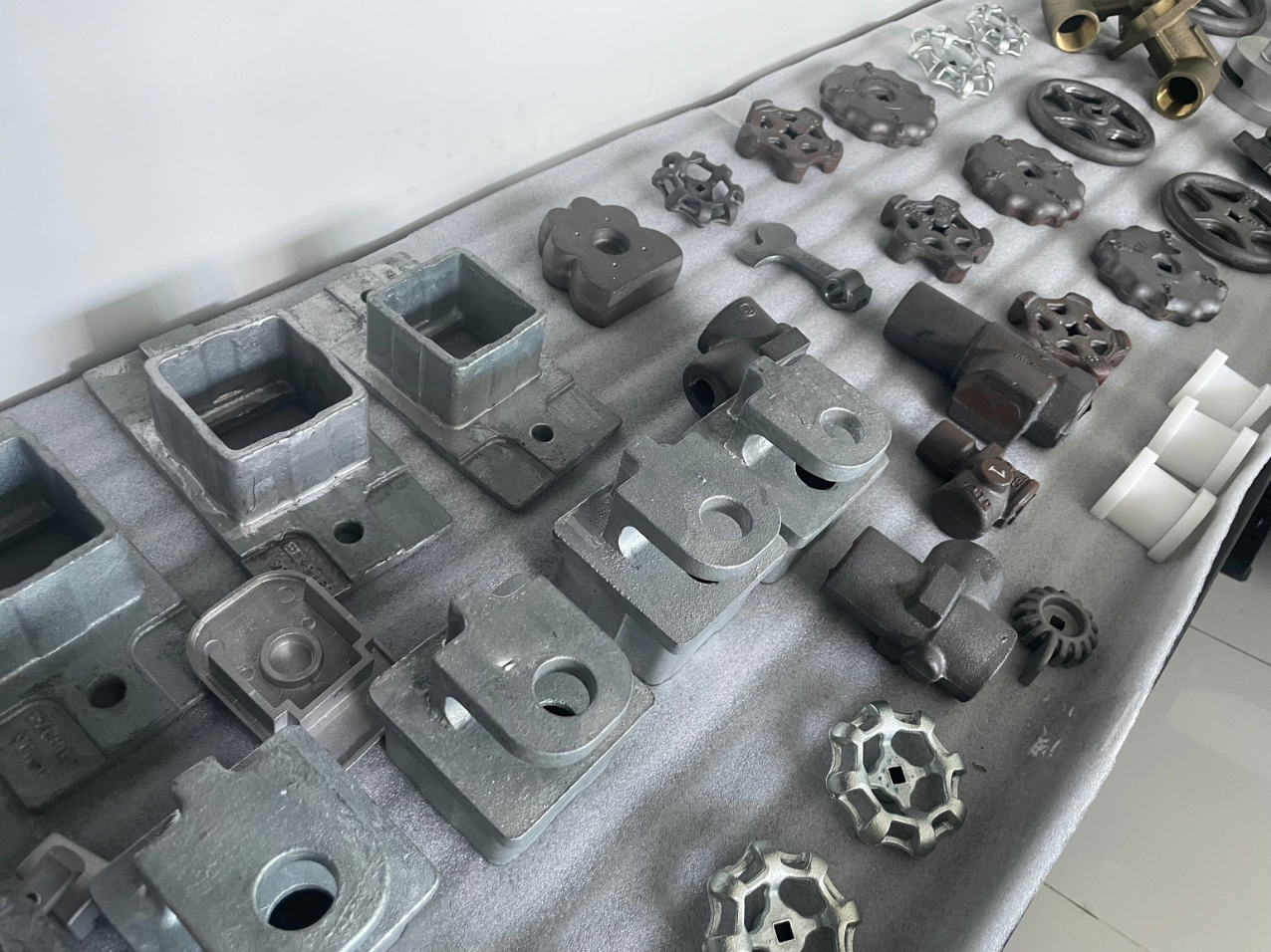
Additionally, partnerships with research study establishments assist in the advancement of sustainable practices and new alloys, dealing with ecological problems and regulative needs. These partnerships additionally aid in knowledge sharing, allowing firms to embrace ideal practices and swiftly execute technical innovations.
Calculated partnerships with providers assure a stable supply chain for raw products and promote cost performances. As the industry faces challenges such as labor lacks and raising competitors, these partnerships are critical in driving development and development. By interacting, aluminum factories can much better browse the intricacies of the market and achieve long-lasting success.
Often Asked Questions
What Are the Preliminary Costs of Automating a Light Weight Aluminum Shop?
The initial expenses of automating an aluminum foundry can range significantly, commonly in between hundreds of thousands to several million bucks, relying on the level of automation, devices quality, and certain functional demands of the center.
Just How Can Small Shops Adopt Lasting Practices Efficiently?
Tiny foundries can embrace sustainable methods successfully by executing energy-efficient modern technologies, recycling scrap products, enhancing procedures to reduce waste, and using eco-friendly products, cultivating a culture of sustainability among staff members with training and understanding campaigns. Metal Casting.
What Duty Does Information Safety And Security Play in AI Applications?
Information safety is crucial in AI applications, making sure the defense of sensitive information, preserving user count on, and avoiding unapproved accessibility. By executing durable security steps, organizations can secure data honesty and support compliance with regulations.
How Will Additive Manufacturing Affect Traditional Casting Methods?
Additive production will certainly enhance standard spreading techniques by enabling for more complicated geometries, minimizing material waste, and shortening production times. This assimilation may result you could try here in a hybrid approach, maximizing efficiency and expanding design opportunities in production.
What Abilities Will Be The Majority Of in Demand in Future Aluminum Foundries?
In future aluminum shops, abilities in additive manufacturing, information automation, analysis, and sustainability practices will be vital. Employees efficient in environmentally-friendly procedures and sophisticated innovations will remain in high demand, driving market technology and effectiveness.
Factories are progressively carrying out closed-loop systems, enabling scrap light weight aluminum created during manufacturing to be recycled and rehabilitated into the production cycle. Additive production is rapidly changing light weight aluminum foundries by enhancing style abilities and enabling a lot more complex geometries. Technology in style abilities has changed the landscape of light weight aluminum foundries, particularly with the combination of additive production technologies. Emerging patterns in cost-effective manufacturing methods have actually changed the aluminum shop industry, particularly via innovations in additive manufacturing. As aluminum factories improve their quality control measures, they are additionally reacting to a boosting need for modification and adaptability in production.